Assessing Reading Comprehension

Leave a comment

As part of the reading curriculum, there are comprehension tests at the end of each story and a benchmark test at the end of each unit.  These tests ask questions about comprehension, phonics, high frequency words, and vocabulary.


At the beginning of the school year, we completed these tests as a whole class to introduce the students to the tests.  This was really their first experience taking a test, coming from Kindergarten, so we modeled reading each story and question, going back into the story if you don’t know an answer, and marking an answer.


Recently, we have started taking these same tests on the computer.  Students work independently, and we encourage and remind them to take their time; fortunately, the students can listen to the questions and answer choices.


After a few times, the students are completing these tests independently.  They try their best and overall do a great job.  I help monitor and also sit by certain students to provide encouragement and remind them to read before just clicking.  While I am amazed at the students’ progress and demonstration of their understanding, I also wonder if this is the best form of assessment.  We view these as practice and a check of their understanding, rather than counting them for a grade; if students don’t score well, we will go over those specific questions.  The teachers also view these as practice for MAP testing, and eventually PARCC, to give the students practice taking a test on the computer.  I know these tests are “easy” for teachers and the computer grades it for you; and there’s always the “time excuse”-there’s no time to do anything fun with everything needed to fit into a day.


I’m just observing, thinking, and evaluating…what are your thoughts?  What other forms of assessment have you used for reading comprehension?  Are they more constructive and meaningful?
An Authentic Purpose for Reading-Reader’s Theaters

Leave a comment

It is extremely important for students to have an authentic purpose for their learning.  While typically we think of literacy as being reading and writing, speaking and listening are also important components.  Coincidentally, I had two groups of students perform Reader’s Theaters in the past week.  While performing Reader’s Theaters, students have a purpose of reading: to perform for an audience, act out a part, and be a fluent reader.

To end my tutoring program, I promised the students we would do a Reader’s Theater.  They worked very hard throughout the program, so it was only fitting to end in a fun way.  I gave the students a couple options of scripts, and they chose an African Folktale: The Clever Turtle.  They picked parts, practiced their lines, and created costumes and scenery.  We discussed why it is important to practice their parts, be focused during the performance, and read fluently.  Students worked hard creating their props; I didn’t give them guidance or restrictions, so their performance was truly their creation.

We practiced, then the students performed for a small audience.  The students worked well together, and they helped each other during the performance to make sure everyone remembered his lines.  I also recorded the play to share with others, and we watched it afterwards so they could see their performance.  This was a fun and special way to end the tutoring program.  Students were able to perform as a character and be an expressive reader, an important component that is sometimes forgotten.

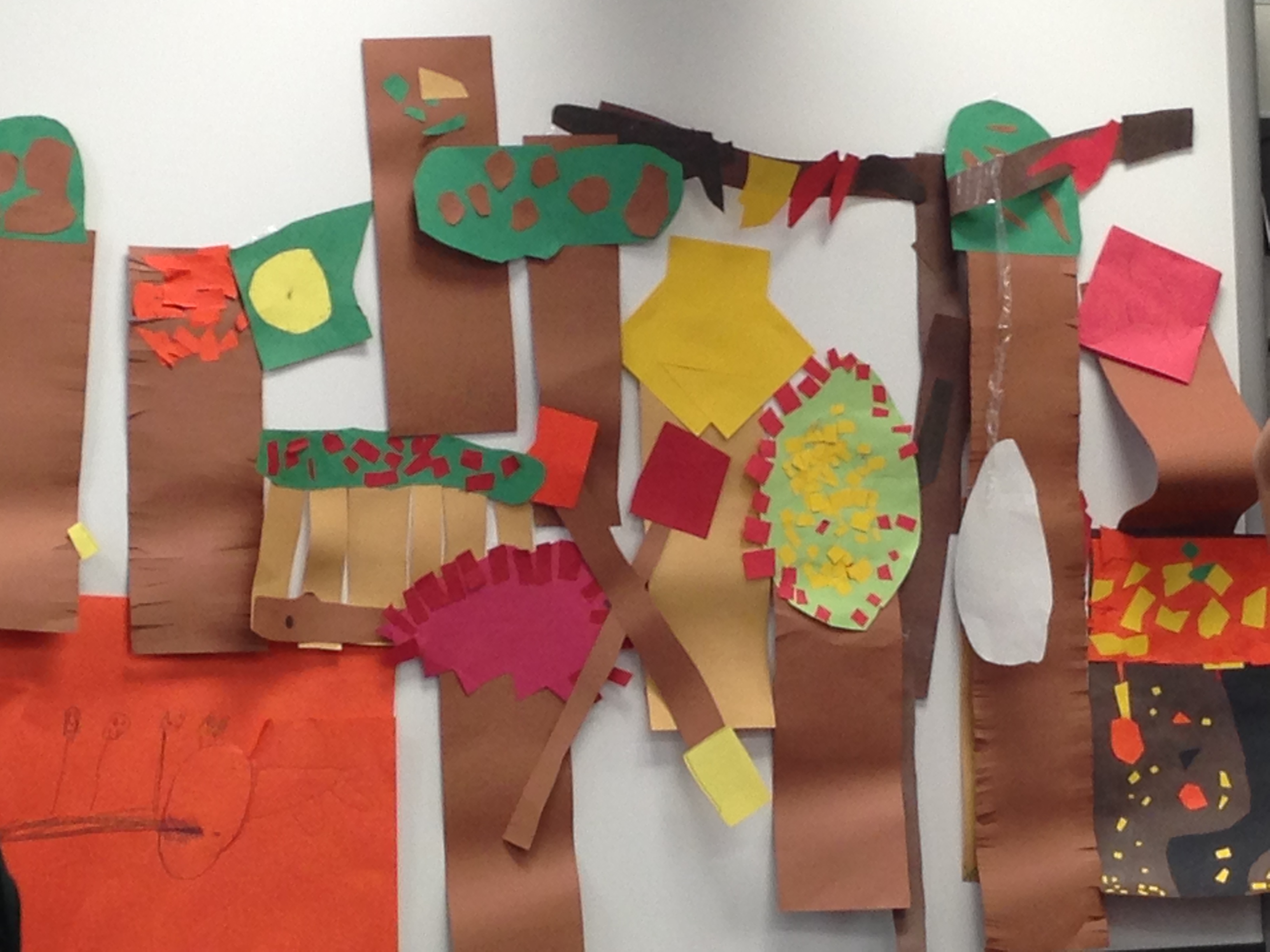
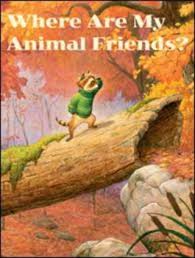
At the same time, the first grade story of the week was a drama.  To end the week, we assigned an each student an animal character; they were put into small groups.  Again, after practicing their parts, they made costumes.  Students were extremely creative making wings, tails, masks, and pictures of their characters.  Then, they helped make scenery to create an autumn classroom forest.  the room was a complete disaster of paper, costumes, and props, but the students were motivated, engaged, and creative so it was worth it.

Finally, the students performed in full costume for an audience.  They were so excited and did a great job.  Reader’s Theaters really create an authentic reading experience for the students.  They had a true purpose and audience for their reading.  I don’t think the students will forget this experience any time soon, and one I hope to be able to recreate this year.

downloadIMG_0416

Using Story Cubes and Creatively Writing Stories

Leave a comment

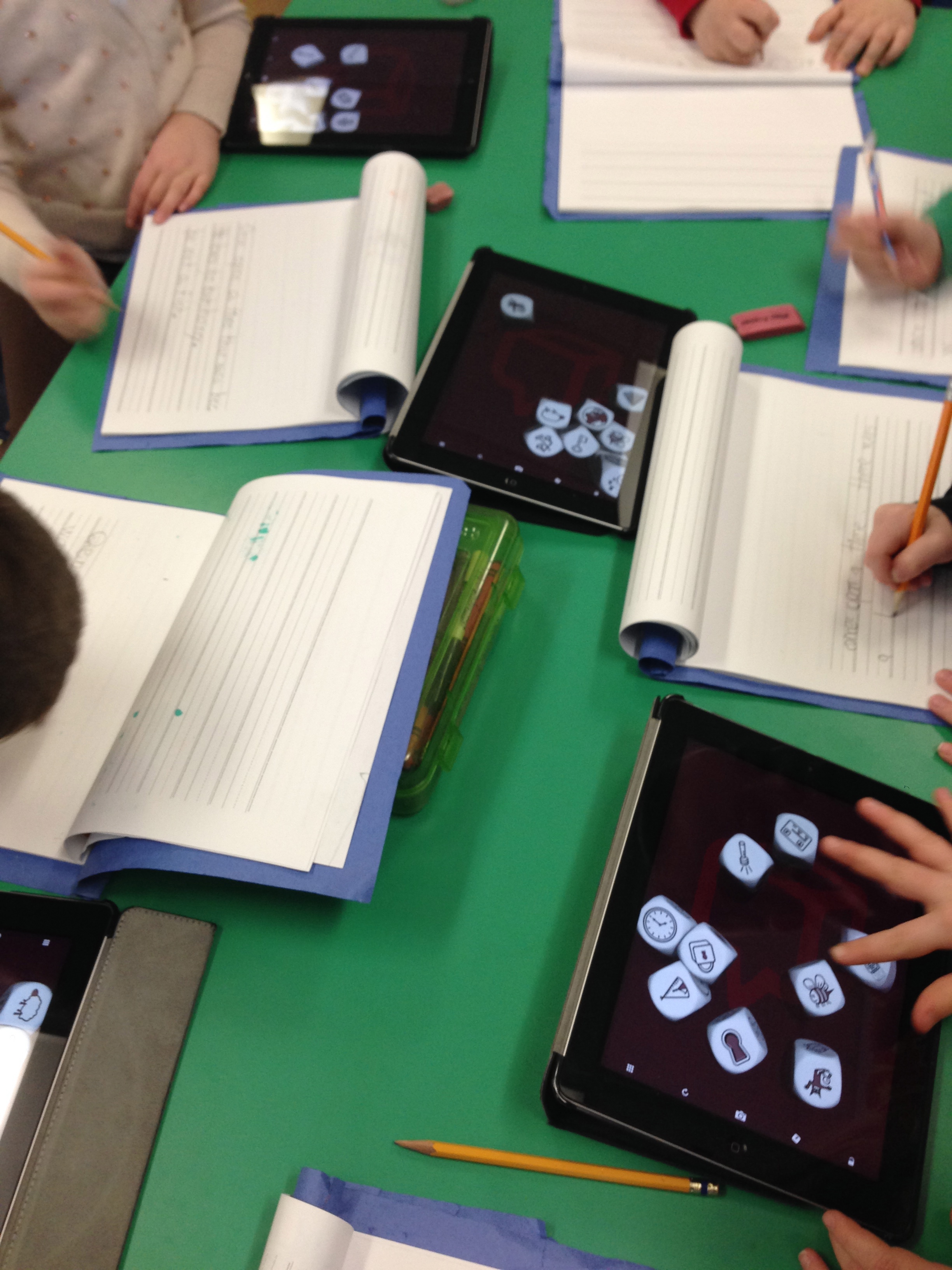
During Work on Writing time a few weeks ago, we introduced the Story Cubes app.  The students loved it!  It was great seeing them so excited about writing, and they came up with some creative sentences and stories!

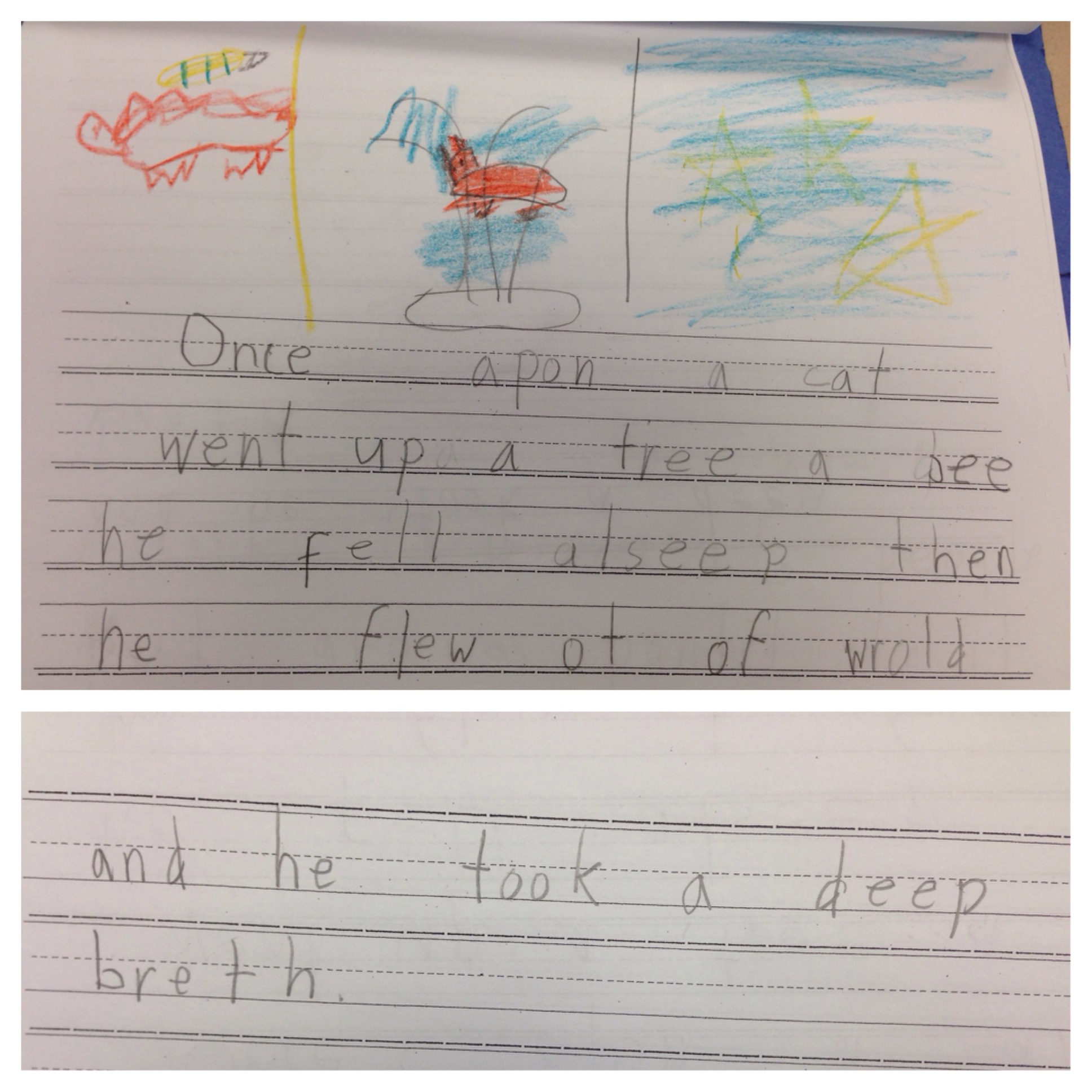
To introduce the activity to each group, I showed them how to use the cubes and we wrote a story together.  After shaking the cubes and seeing our picture choices, we went around the table and everyone thought of one sentence.  Each person wrote the sentence in his journal, so the group had the same story.  After everyone had shared an idea and we made sure the story had a good conclusion, each person illustrated his story.  Once center time was complete, students shared their stories with the class.

IMG_0383

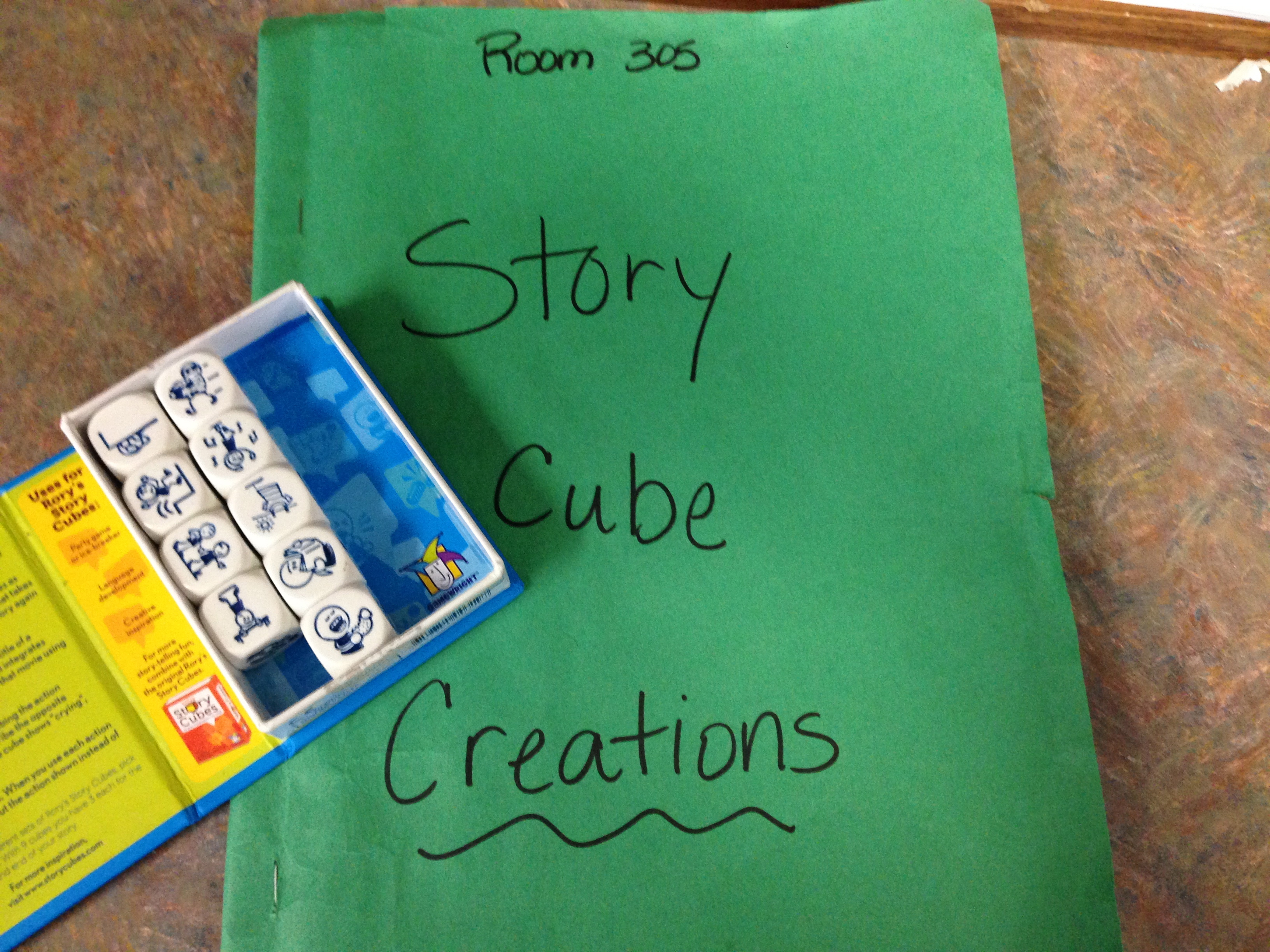
Since students were so excited about writing these stories, we decided to start a traveling journal.  There were 2 copies of story cube dice, so we put 1 set and a journal in a bag to go home with 2 children each night.  They have to write a story and return the set the following day; the child shares his story with the class and then a new student takes the journal home.

IMG_0385

I love this idea of students creatively writing a complete story and sharing it with their classmates.  They’re going to be writing the rest of their lives, so it’s important they develop a solid foundation.  Also, it’s a chance for them to be creative, which I think sometimes get lost with other demands of school and life.  I will never tell a child he cannot write a story or that there is a limit how much to write.  I cannot wait to continue reading their stories!

IMG_0396   IMG_0393   IMG_0397

Let’s Sequence a Story!

Leave a comment

Reading and comprehension are two of the most important skills taught in school.  Students need to read in every subject, and they need to learn different tools to check and demonstrate their understanding.  Sometimes, activities need to be consistent to continue practicing the same skill.

I’ve learned that sometimes, especially with struggling readers, activities need to be changed often to make reading fun.  When these students practice the same thing over and over, they get bored and frustrated; these are the readers we need to motivate the most to keep trying and read!

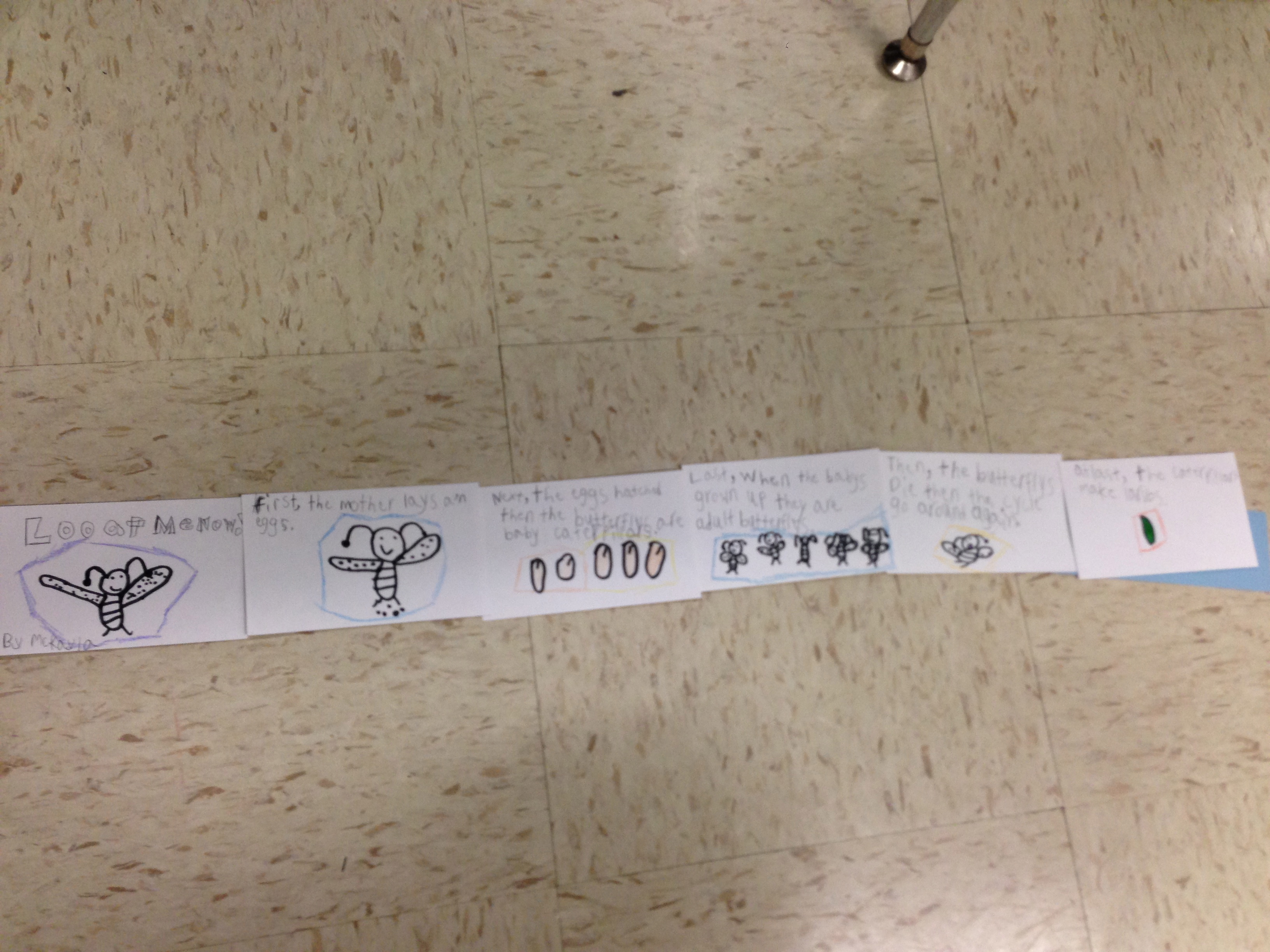
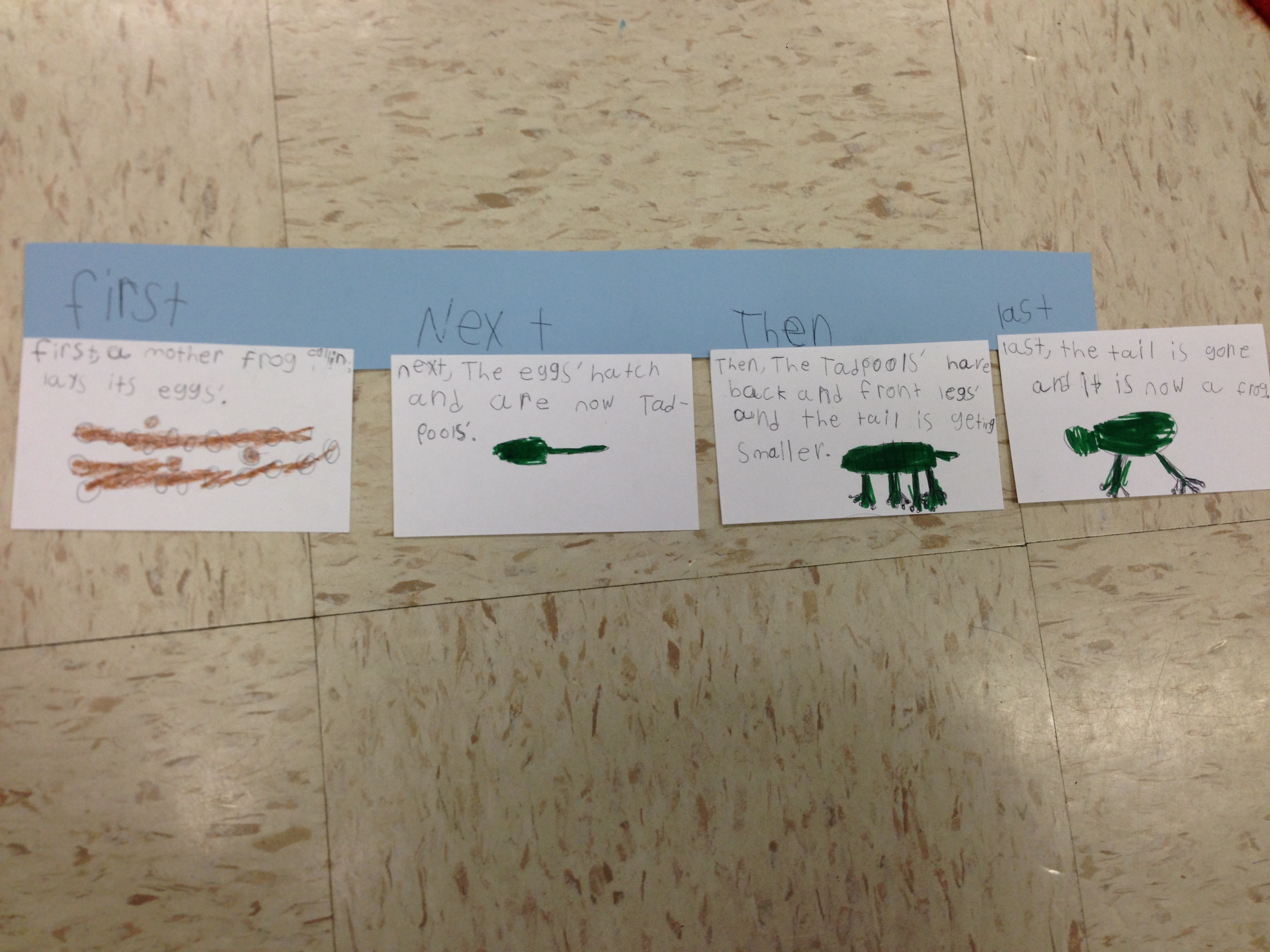
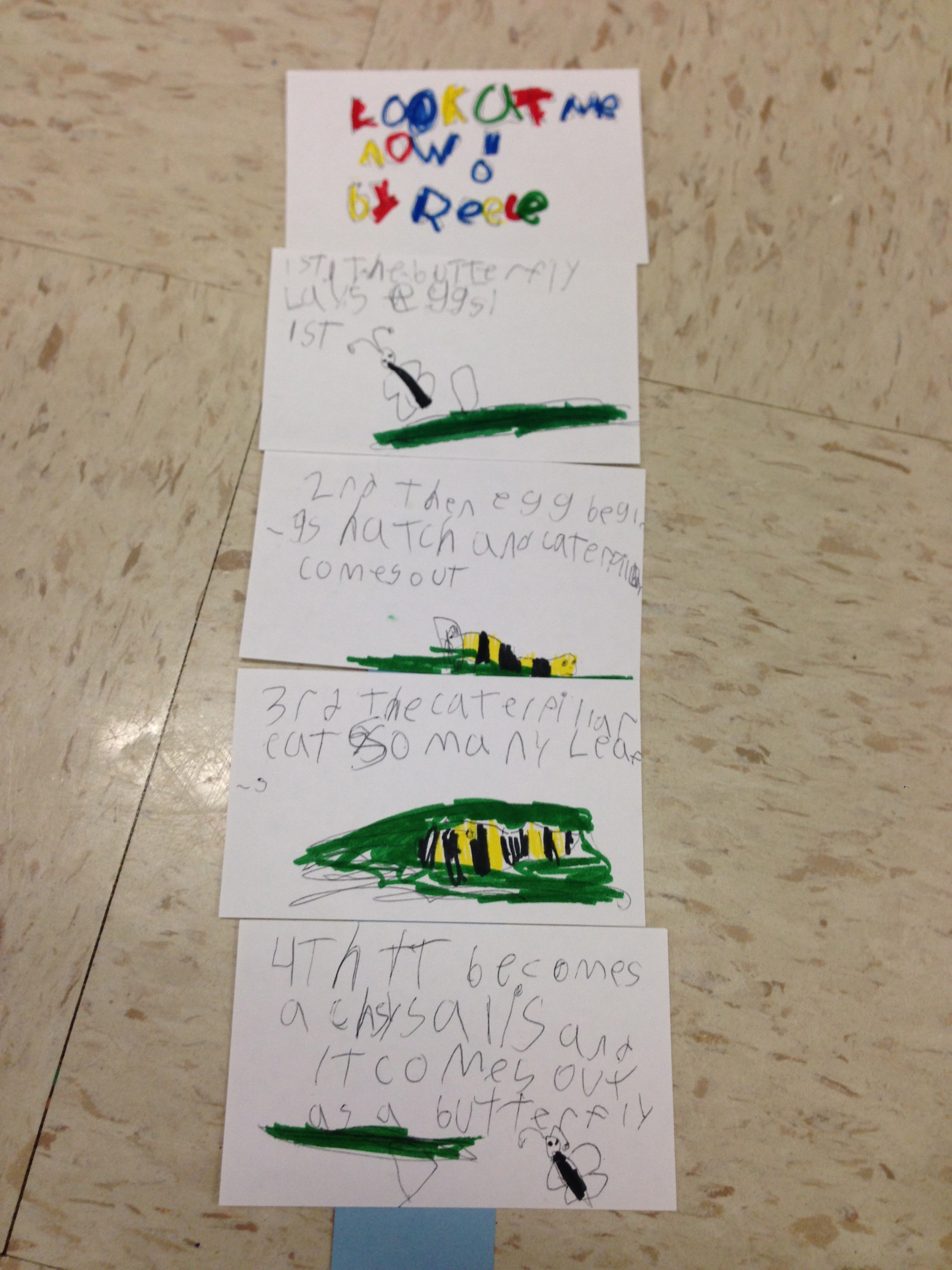
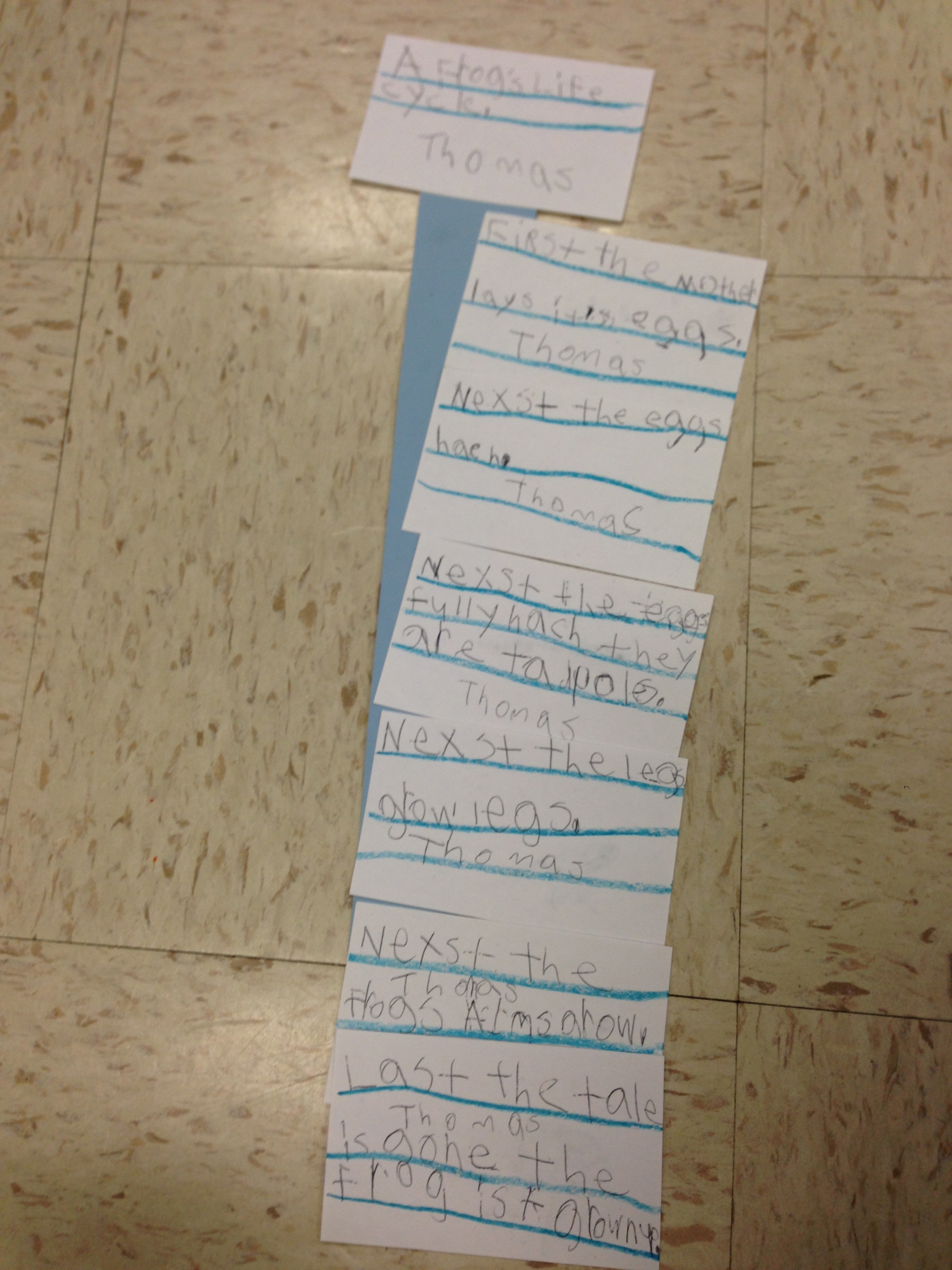
Often during small reading groups, I’ll play games with fluency, do different activities reading words and sentences, or have them create a journal or mini-project.  They need to do something engaging to see reading can be fun!  Currently, I’m working with a group of second graders on different comprehension strategies as part of an after-school tutoring program.  Everyday, we read a story and answer questions focusing on a different strategy.  To end our unit on sequencing, I decided to do something different.  Students picked one of the stories from the book and sequenced the order of events.  They wrote each step of the sequence on a notecard and then had to illustrate a picture.  Finally, they glued the cards on a strip to show the sequence of events.

The kids really enjoyed this activity; it was fun and different than what they normally do in school.  Also, since they were applying the sequencing skill to an actual activity, they truly demonstrated their understanding of the skill.  Usually, students read and discuss the ideas or strategy, but that doesn’t always mean students can apply the skill, especially with struggling readers.  When students can apply their learning and do something different, they make connections and are more likely to remember concepts.  This motivates readers to keep reading, which is our goal-to create life-long readers and learners!

IMG_0381 IMG_0378
IMG_0380 IMG_0379

Olympics: Coming Together as a Nation

Leave a comment

olympic rings


Now that the Winter Olympics are in full swing, I know I have television to watch every night for the next couple weeks.  I love watching the Olympics.  I can watch my favorite sport, figure skating, as well as ones I haven’t heard of or that aren’t normally televised.  When else can you watch skiing, curling, or luge?!  There are many feel good stories from athletes around the world as you learn about their journey to the Games.


Additionally, it is a time when our nation and, more importantly, the world, come together and unite for a common goal.  The entire country roots for our athletes and has a sense of national pride.  I love watching the Parade of Nations at the Opening Ceremonies, watching everyone march in with a smile, hearing countries’ names I’ve never heard of, and seeing how many athletes are from each country.  For the majority of these athletes, this is their one shining moment.  I had chills watching the athletes march in and seeing the Olympic flame get lit.


Let’s root for all the athletes as they complete in the Winter Olympics.  How can we keep this sense of pride and connection going everyday, all year round?

torch lighting

Being Creative While Learning to Work in Groups

Leave a comment

One part of the first grade social studies curriculum is called Skills for Growing, which incorporates concepts related to social-emotional learning.  Lessons teach students about being themselves, working with others, and friendship.  While looking over the lesson I would teach about working in groups and different roles of group members, I noticed the suggested activities were somewhat boring.  I decided to adapt the activities and combine the lesson’s theme with our writing skill.  We had just discussed descriptive writing, and sometimes it’s hard for first graders to write more detailed sentences.

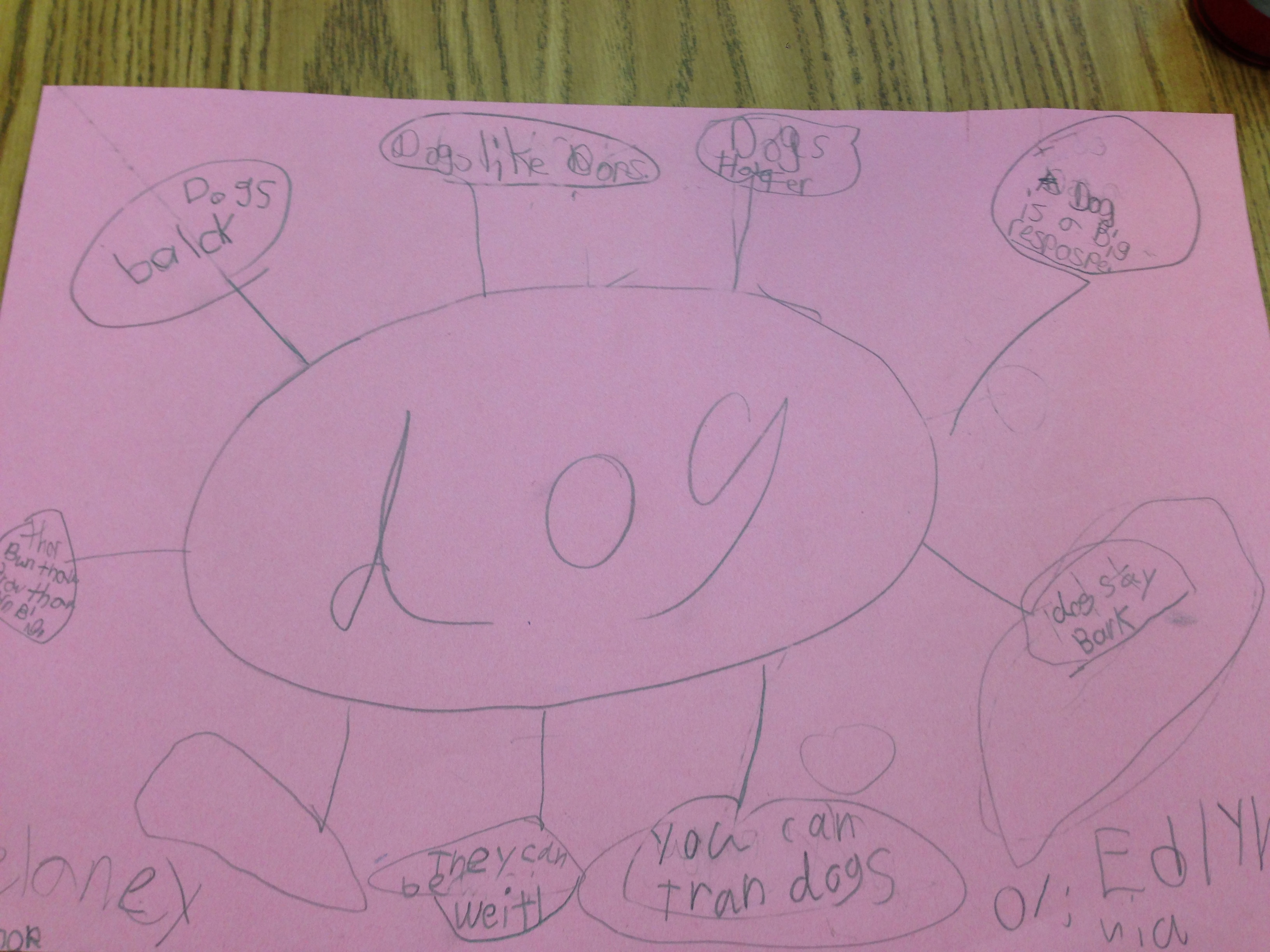
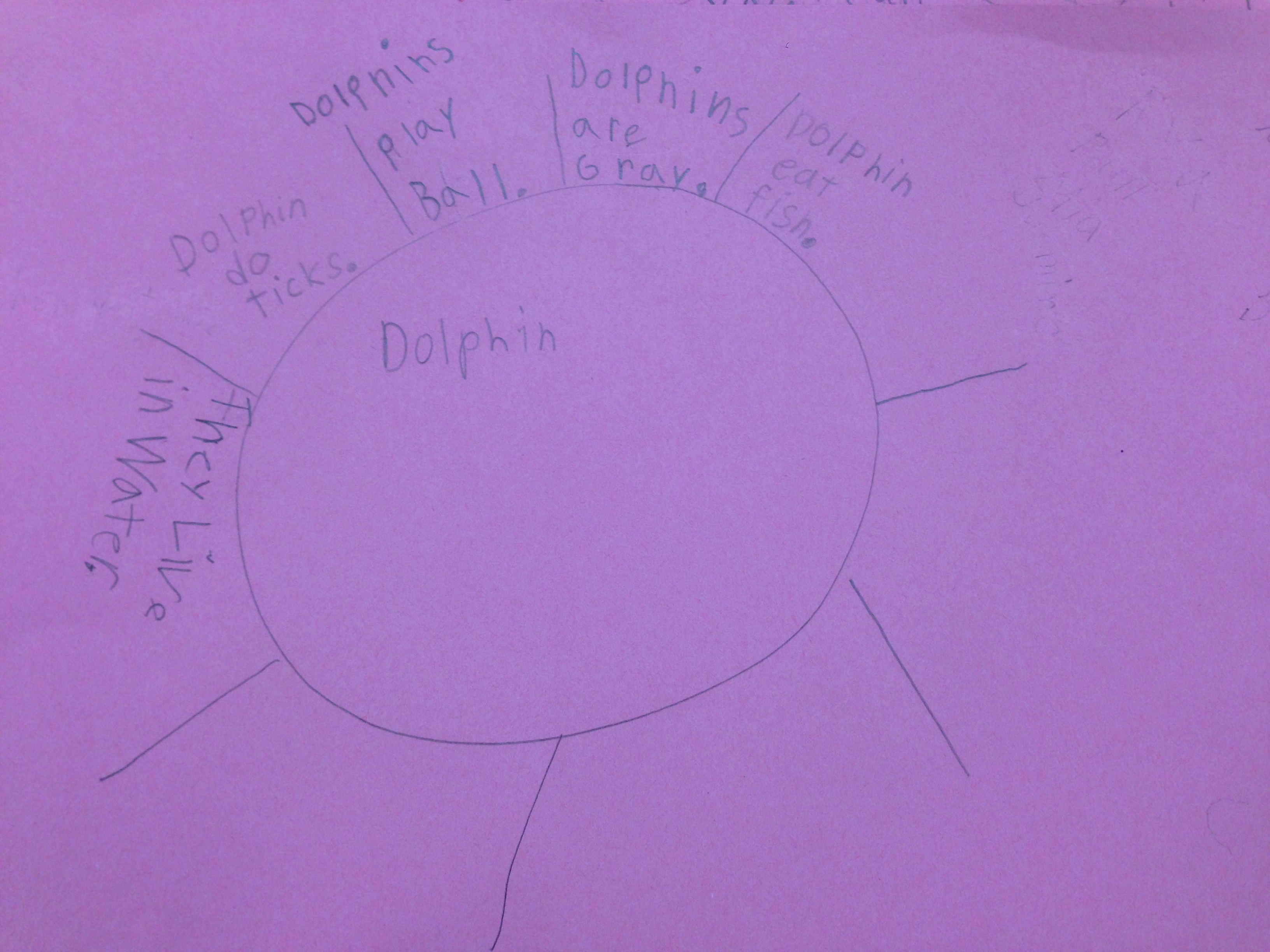
First, we discussed what it’s like working in a group and why students may or may not enjoy group work.  We discussed the different possible roles of group members: collector, reporter, and a member.  Then, I explained the project: each group needed to pick an animal and create a web with different descriptions of the animals, such as color, size, where they lived, and what they ate.  I randomly picked the groups, so students could work with different students in the class.  I also modeled how to create a web and we did an example together, so students knew exactly what to do.

I was impressed how well the students worked together and were enthusiastic about the project.  Each group chose an animal, and each person wrote at least one description of the animal.  Sometimes they needed prompting for more descriptions to write, but overall they came up with great ideas.  The best part was that students were completely engaged, and they didn’t want to stop working!

When students are that motivated and engaged in an activity, you know as a teacher that you’ve created a successful learning experience.  The students successfully accomplished the lesson goal of working together in a group.  Sometimes as a teacher you need to take the initiative and make the executive decision to be creative and encourage students to think out of the box!  As a result they’ll have a meaningful learning experience!

IMG_0372       IMG_0373
IMG_0374       IMG_0375


Celebrating a Full Bloom

Leave a comment

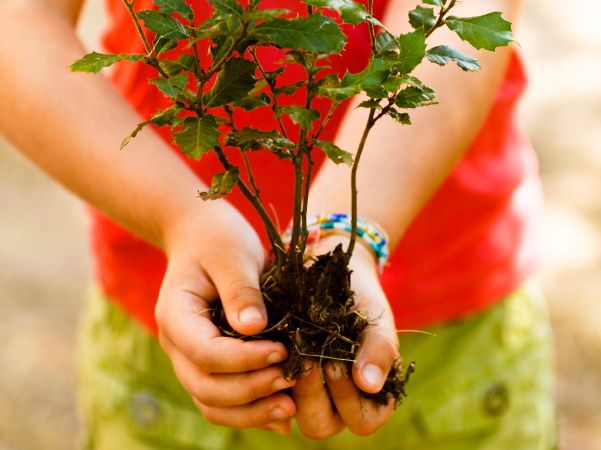
Plant-a-tree1


Tu B’Shevat is a Jewish holiday that doesn’t get a lot of attention but is very important.  It is known as the Birthday of the Trees, like Arbor Day, and celebrates different fruits and nuts that come rom the Earth.  A Seder is held to discuss and eat different types of fruit that all come from trees.  Some say that each group represents a different force of nature/elements-earth, water, air, and fire.  For more information about the holiday, click this link to read a great article.

One of my favorite explanations is comparing fruits to different kinds of people.  Some fruits and nuts, like walnuts and pomegranates, have outer shells you have to open to get to the fruit; this is like people who are shy on the outside, but sweet and enjoyable once you crack their shell.  Some fruits, like cherries, grapes, and peaches, you can eat the outside but there is a seed or pit in the middle; this is like people who are friendly at first, but not what you expected once you really get to know them.  Finally, some fruits, like raisins and figs, have no shell or pit; this is like people who are sweet both on the inside and outside.

I was fortunate to attend a Seder with new friends this year.  In addition to eating delicious food, we discussed the meaning of the holiday as well.  Tu B’Shevat is celebrated in the winter, when fruits aren’t abundant.  The trees are prepping and waiting for leaves to bud, and fruits to grow and be harvested.  We also compared humans to trees.  We have roots to ground us with our values, and we continue to change and grow.  Sometimes, we are met with difficulties or challenges that require us to pause, stay strong, rebuild, or make changes to ultimately find success.  Like a tree in winter, we may not always be at our best, but overtime, we will bloom again.

Thank you to all those people, near and far, who make up my amazing support team; you help keep my roots grounded, are my cheerleaders through challenges, and celebrate successes with me.  This week, an unexpected challenge occurred, yet my family, friends, and co-workers were by my side to help and make sure I am okay.  Even my students made me feel better cards.  I am truly grateful for the support and friendships I have.

Take time to celebrate the different fruits and people in your life and appreciate everyone who makes up who you are and helps you reach your full bloom.


New Year’s Resolutions in the Classroom

Leave a comment

IMG_0348

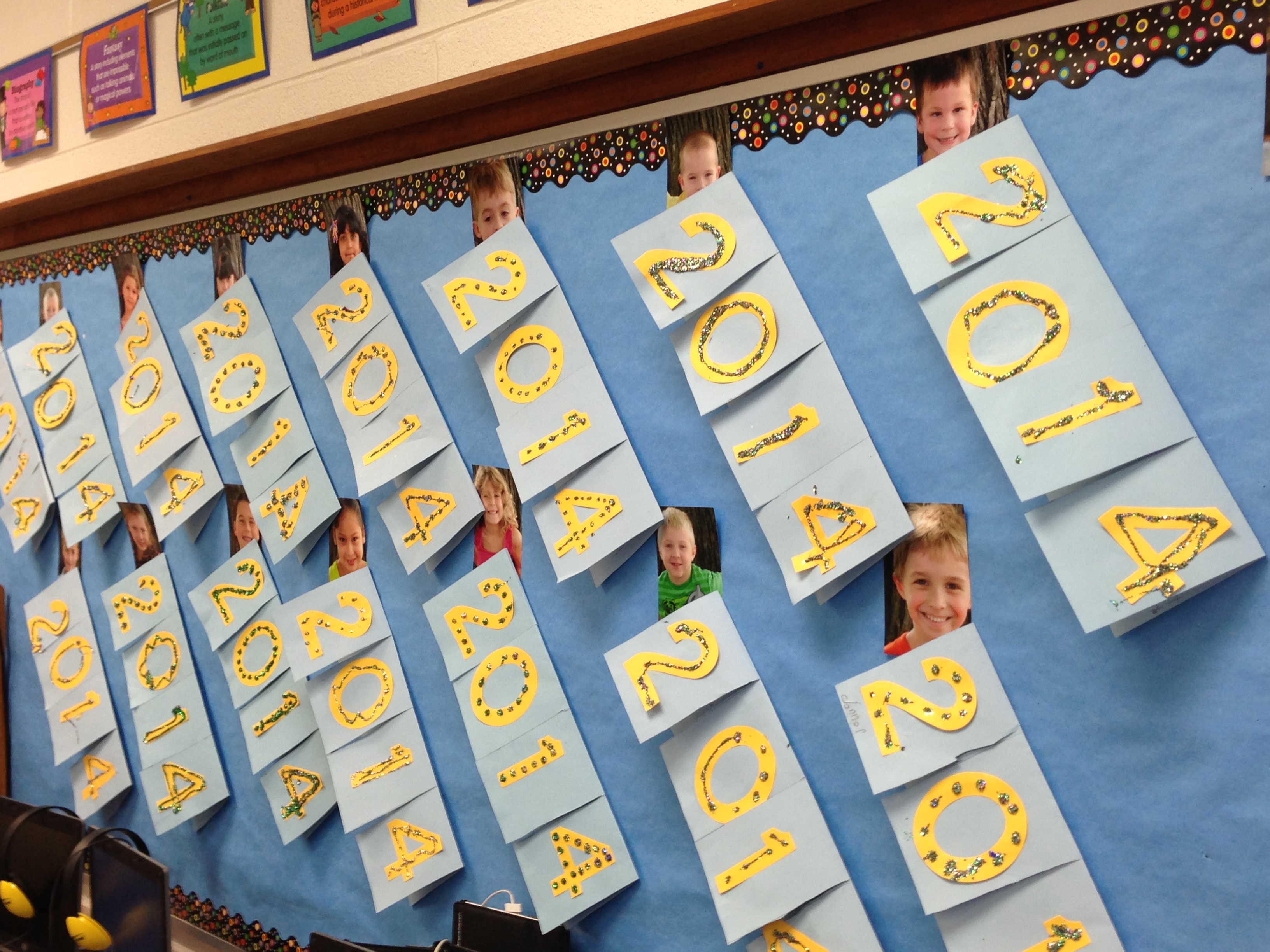
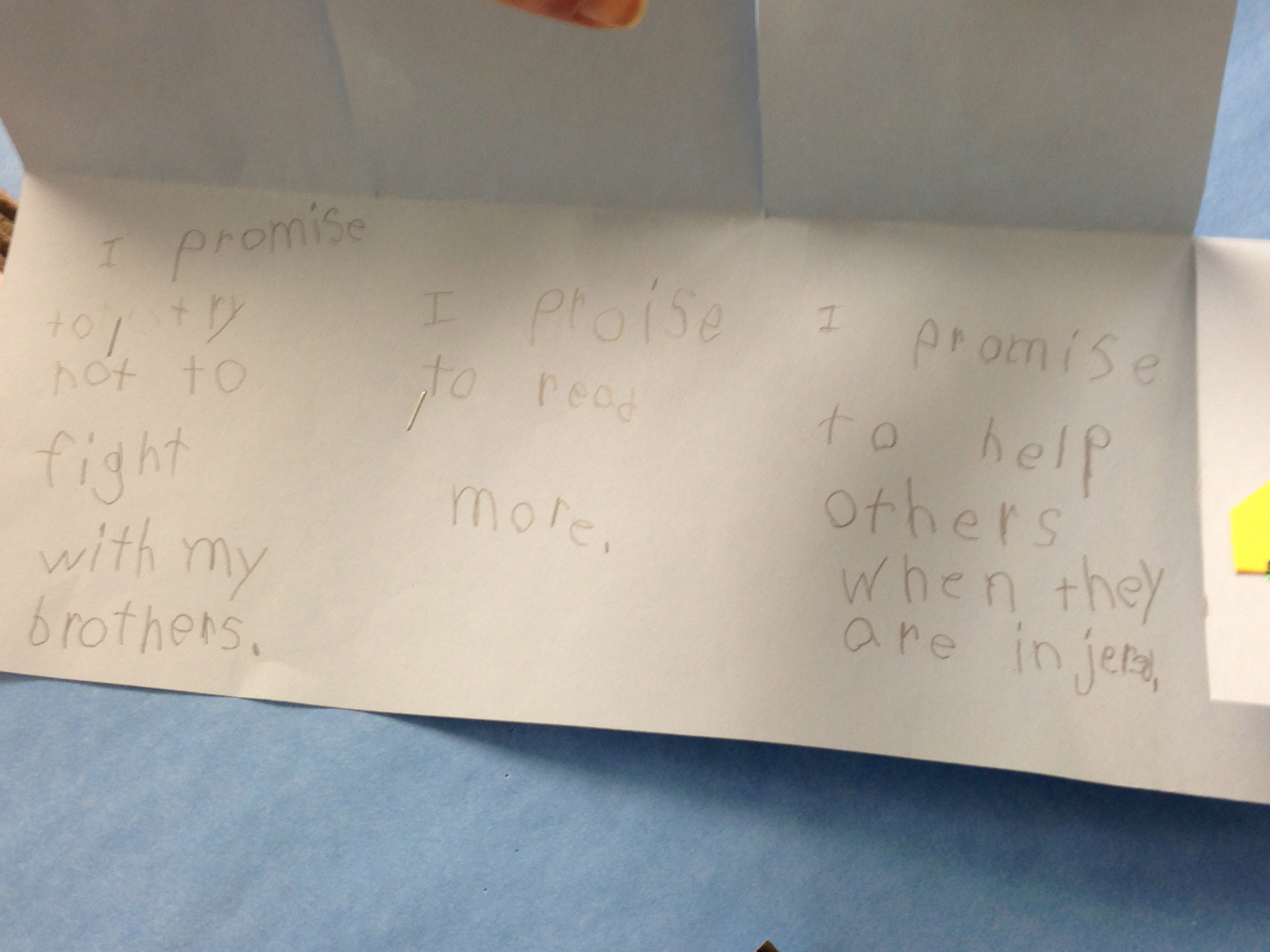
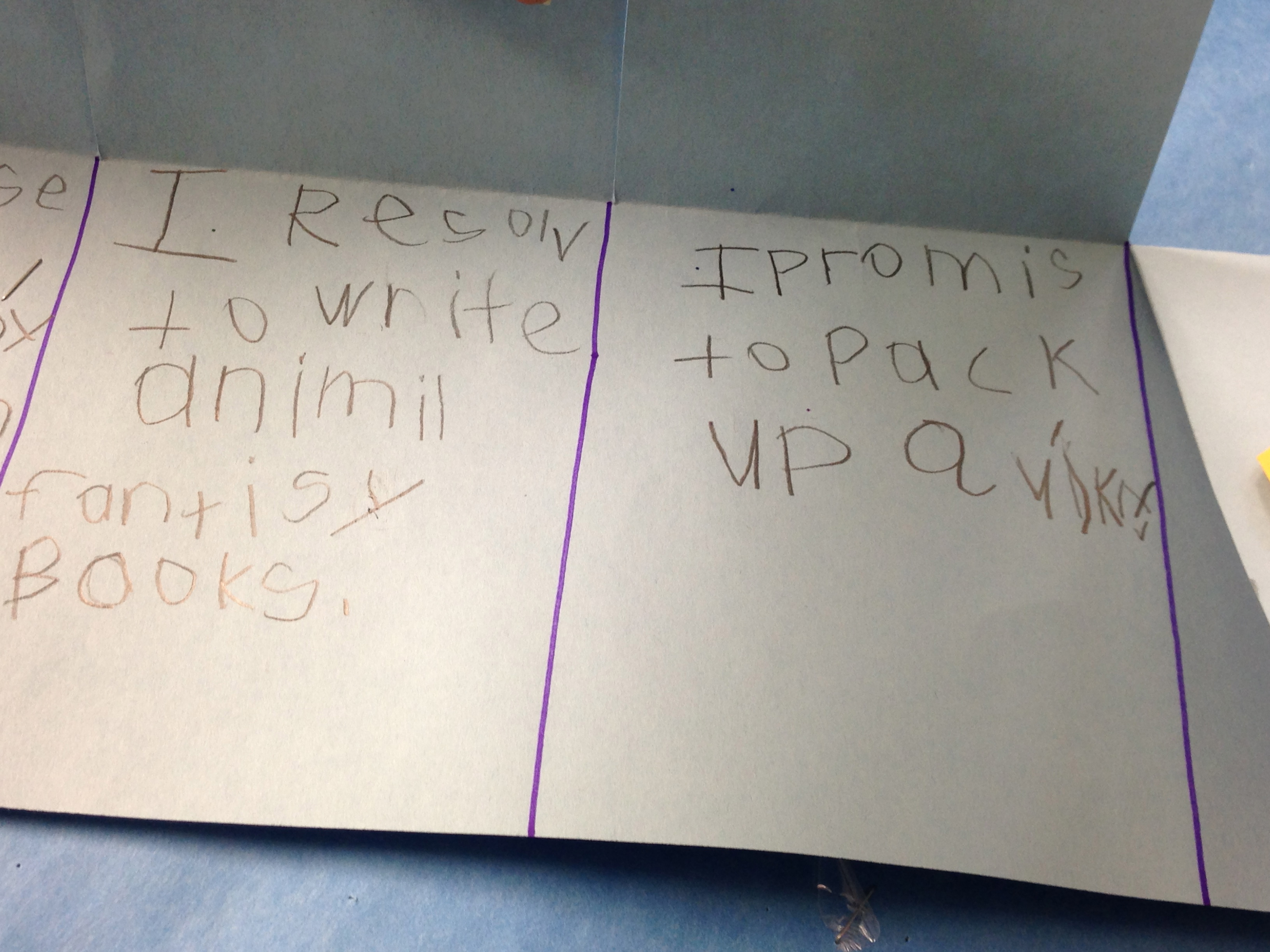
Coming back to school from Winter Break was a bit adventurous since we had an extra two days off due to extremely cold temperatures.  We decided to start the New Year off on the right foot and have the students write resolutions.  Not only are resolutions important for students to think about, but this also gave them the chance to write complete sentences using details.

First we read Squirrel’s New Year’s Resolution and a New Year’s poem to discuss what is a resolution and brainstorm some ideas.  Resolutions are a hard concept to understand, and we emphasized that they are something you want to do better, not something you do already.

Then, students were given 4 Post-it notes to write 4 resolutions.  I helped some students brainstorm ideas if they were having trouble; knowing about the students academically and their personal interests helped me think of ideas that targeted their needs.  When they finished, we edited the resolutions for grammar and spelling, so students could neatly rewrite and create their final product.  They loved adding glitter as a finishing touch!

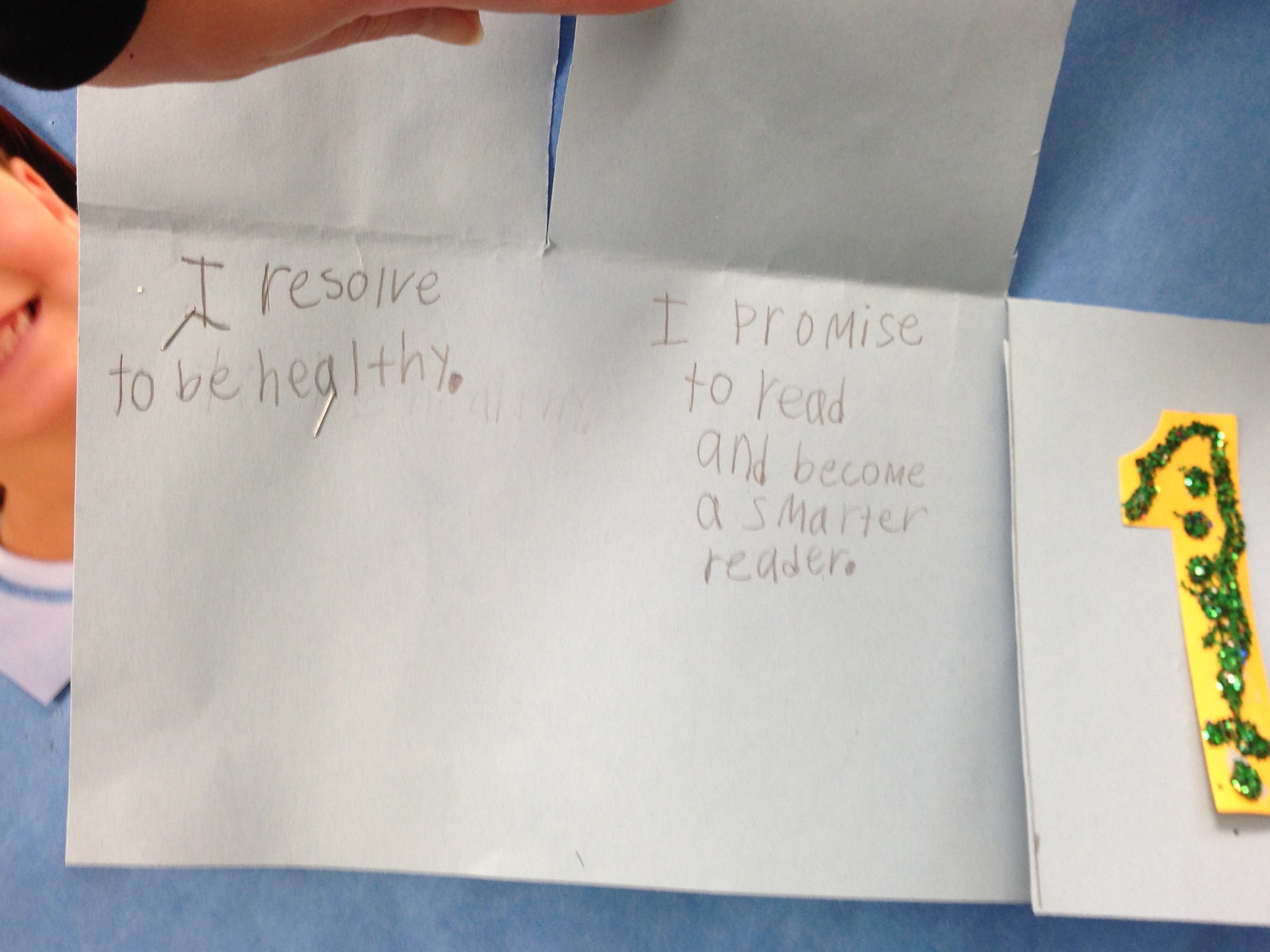
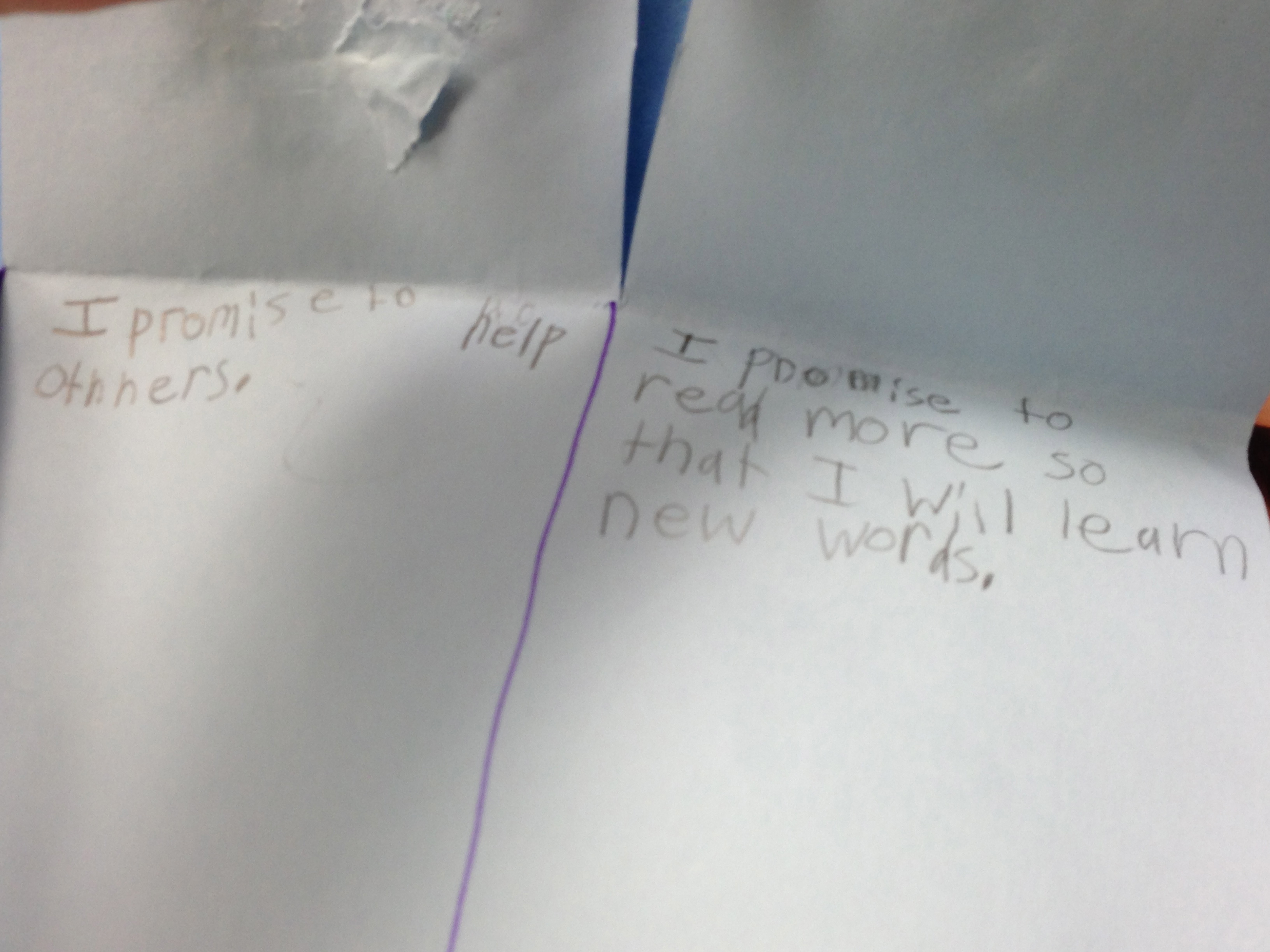
The students did a great job creating resolutions.  Some were school-related: I resolve to read chapter books better, I promise to turn in my homework, I want to always try my best.  Others were related to home: I want to eat healthy food, I resolve to clean my room, I promise to help my mom and dad.  I was proud of the students’ work, and we have a great bulletin board to start off the year.  Hopefully the students will be reminded and encouraged to work on their resolutions the rest of the school year!

IMG_0349 IMG_0350 IMG_0351
IMG_0352 IMG_0353

Place Value and Student Exploration

Leave a comment

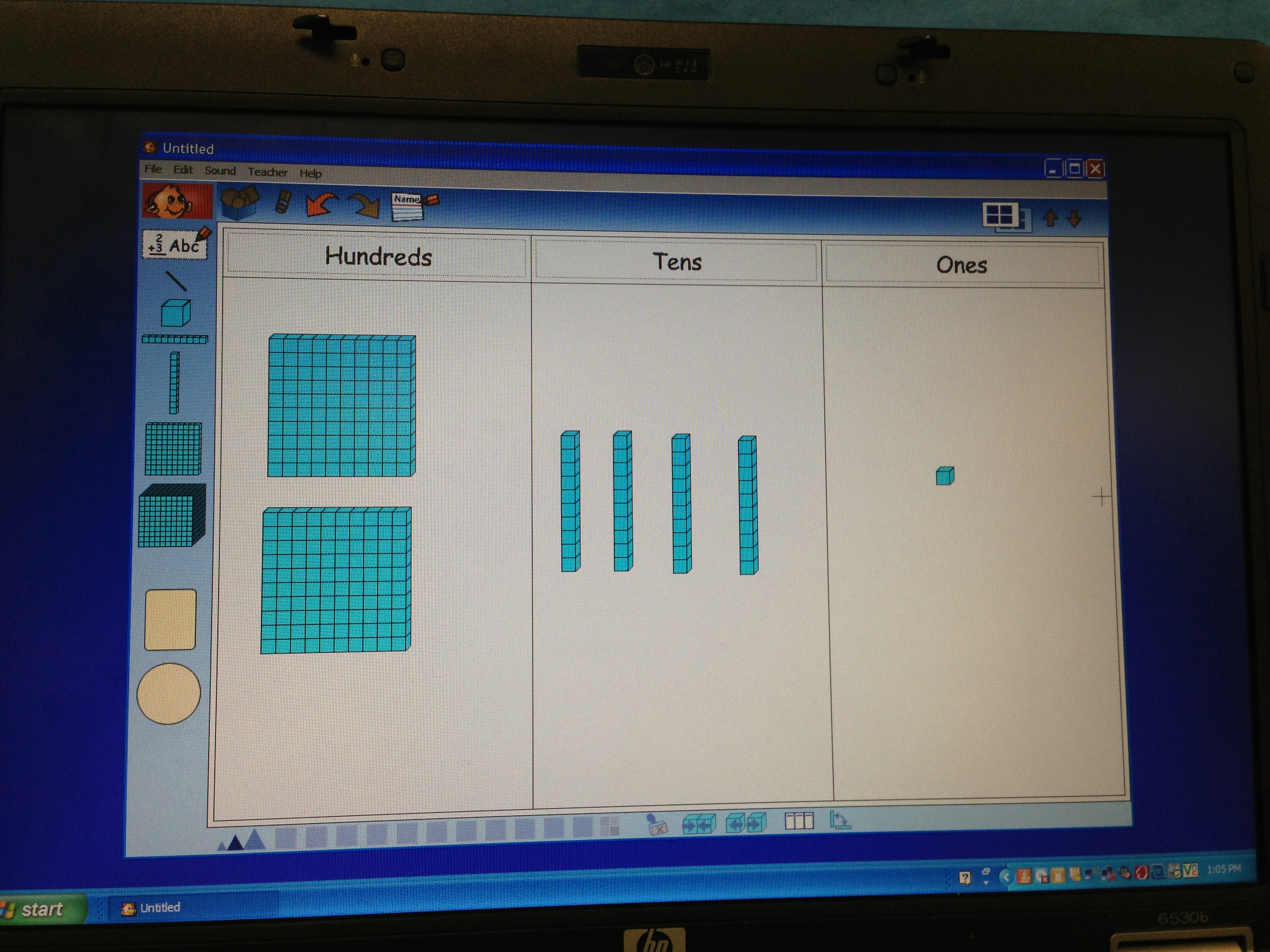
We began a new math unit in first grade, introducing the concept of place value.  This is an important concept for students to comprehend and explain to build number sense, but it is also challenging.  We began using base-ten blocks to make place value as visual as possible.  Using the blocks and trading really helped students begin understanding the concept of tens and ones.  They had some more difficulty with trading when there were more than ten ones, but with more practice, wheels began turning and slowly students started getting it.

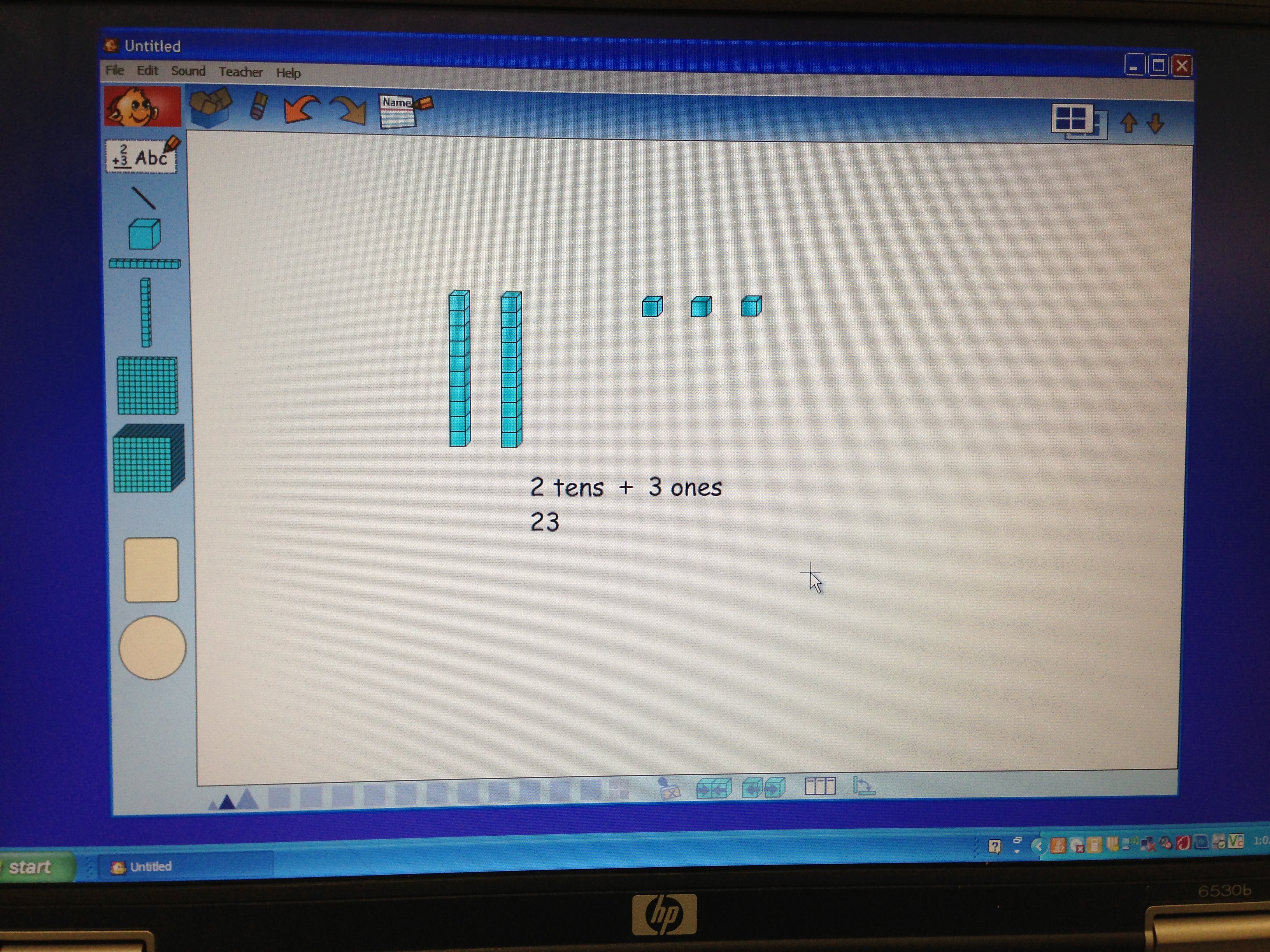
In the computer lab, we used Kidspiration to give students additional practice to build numbers using base-ten blocks.  After modeling, students were given the opportunity to build two or three digit number and write a number sentence explaining how they knew it was that number.  Students were excited to explore and create numbers, and they enjoyed sharing their creations with classmates and me.

IMG_0337

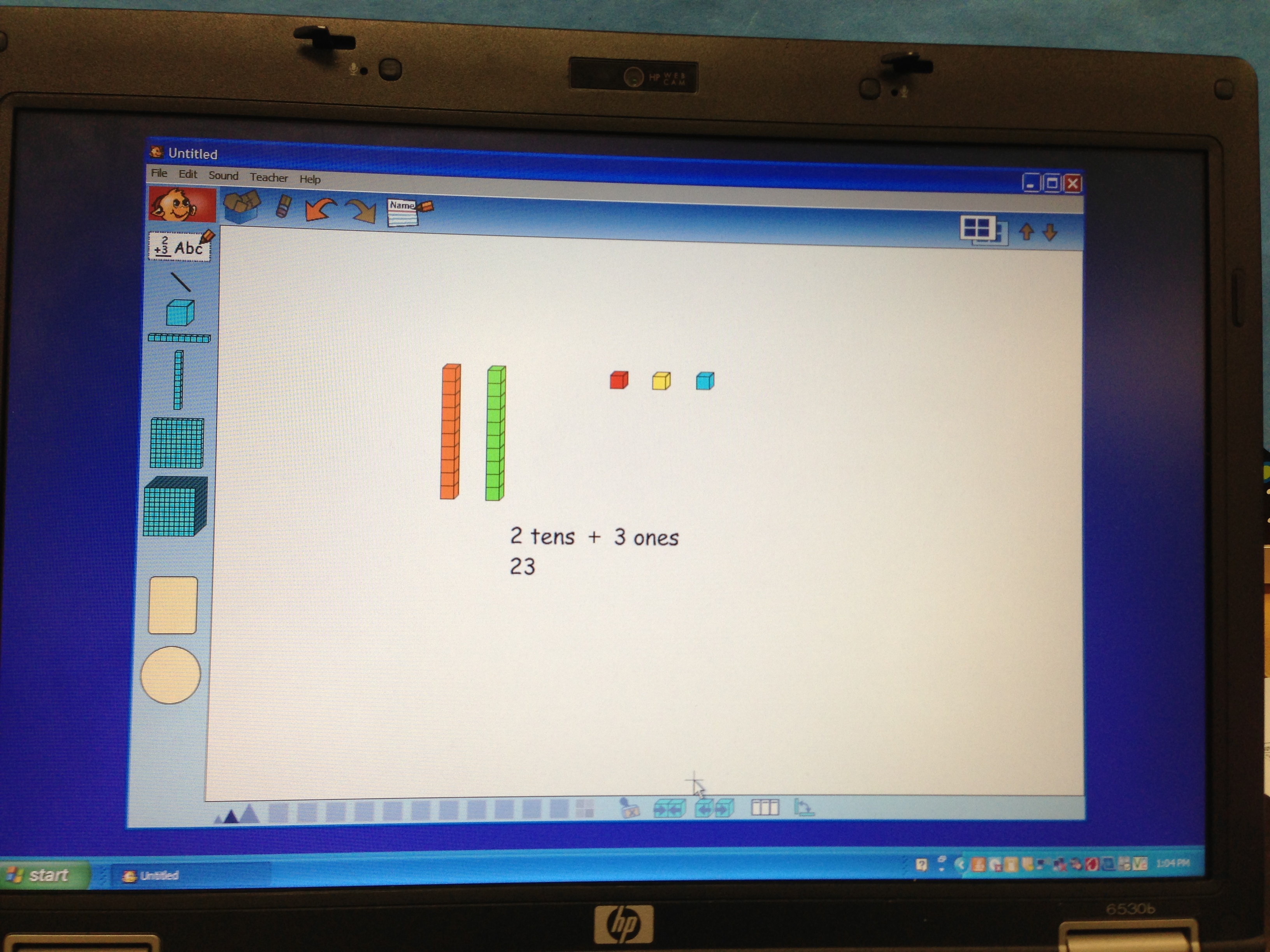
In addition to building numbers and making sure they understood the place value concept, it was also amazing watching students make discoveries about Kidspiration features that helped them increase their understanding.  First, students discovered they could change colors of the blocks, which was just fun.

IMG_0338

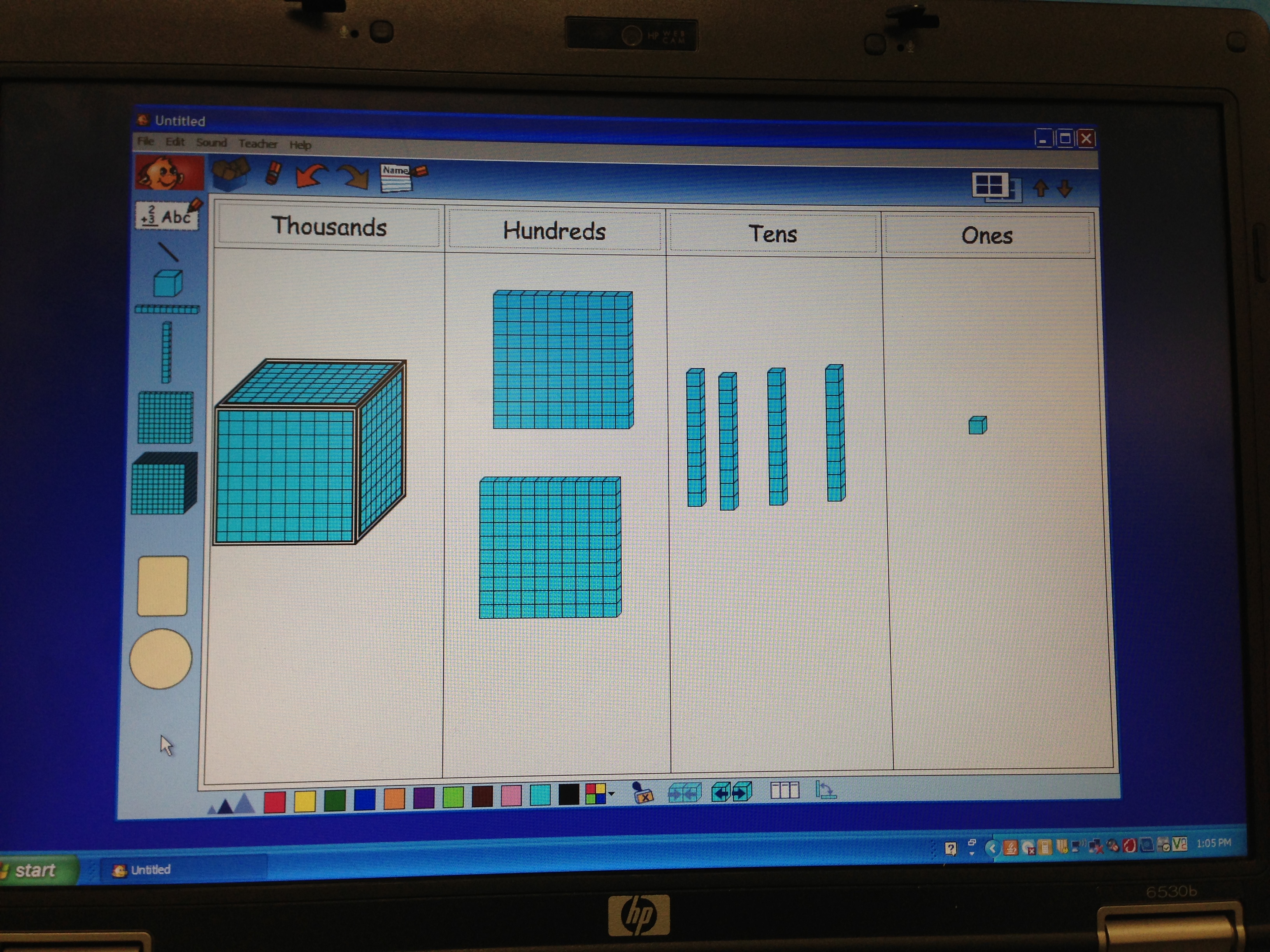
Then, one student found a button to make a hundreds, tens, ones chart to organize where the different blocks go based on their value; another student then discovered if you clicked the button again, you create the same chart with the thousands place.

IMG_0339IMG_0340

Near the end of lab time, a final student discovered a button to break apart the blocks so you could see how each level is built on the previous ones.  I thought this was great because students could see 100 ones and 10 tens was the same as 1 hundred.

IMG_0341IMG_0342

It was even better that students were curious and engaged to try features and made discoveries that increased their understanding of a difficult concept.  This was an example of authentic learning and the power of student discovery!

#oneword2014: Enjoy

Leave a comment

download


I first started seeing the #oneword2014 hashtag on Twitter last week and was intrigued.  I asked what it was about and learned that people were choosing one word to live by this year rather than making resolutions that may fail.  You can go to the One Word website for more information (this is also based on a book).

My next task was to figure out what my One Word should be.  Many ideas came to mind, but I wanted to choose a word that encompassed all aspects of my life.  There are many things I want to accomplish this year, so I wanted to choose a word that would help me focus on this objective.  One thing I’ve been trying hard to do is live in the moment and focus on the activity at hand, rather than worry about what’s coming next or stressing about the unknown.  As a result, the word I have chosen is ENJOY.

By living in the moment and focusing on what I am doing, I will be able to enjoy the present.  I can take in all the sights and sounds around me wherever I am and smile in the moment.  I can enjoy my job, teaching and marveling in the curiosity and creativity of my students as well as watching them continue to learn and grow.  I can enjoy working with a dedicated and collaborative staff that have been welcoming and created a positive and supportive school environment.  I enjoy working through the unknown challenges that each day brings as well as pushing through to problem-solve and strive to be better than the day before.

I can enjoy outside activities as well, doing things I want to do.  I can enjoy feeling good and letting my mind relax stress-free while exercising or practicing yoga.  I can enjoy cooking or baking a tasty treat, being creative in the kitchen and smelling delicious smells.  I can enjoy taking up an old hobby, knitting, and being creative and crafty.  I can enjoy reading, learning something new and be taken on an adventure to an unknown land.

I can enjoy connecting with friends, both near and far.  I can spend time with people and try new activities or restaurants around the city.  I can connect with friends farther away via social media and the telephone to rekindle and strengthen friendships.  I will hopefully travel to see friends (as well as new places) to create some new memories and enjoy myself.  I will continue connecting with educators and acquaintances via social media to share, learn and grow.

I am ready to take on the One Word challenge and truly Enjoy the year 2014.  I know that Enjoying everything I do will help me live in the moment and truly appreciate all the good I have in my life.  Who knows what life will bring down the road, but there’s only one way to find out!

Older Entries Newer Entries